Birmingham summers are no joke. With temperatures pushing into the high 90s, intense UV exposure, and thick Alabama humidity, your vehicle can quickly turn into an oven. If you’ve ever opened your car door in July and felt that blast of trapped heat, you already know the struggle.
Choosing the Best Window Tint Type for Birmingham’s Extreme Summer Heat isn’t about going darker; it’s about choosing smarter film technology that blocks infrared heat, reduces solar energy absorption, and protects your vehicle in the long term.
For drivers in the greater Birmingham area, understanding what actually blocks heat and what simply darkens glass makes all the difference.
Why Birmingham’s Summer Heat Demands High-Performance Window Tint
Birmingham experiences prolonged summer heat, high UV index levels, and significant solar exposure. That combination creates serious solar heat gain inside vehicles.
Without proper protection, your car interior can:

- Reach temperatures 30–40°F hotter than outside air.
- Crack dashboards and dry out leather.
- Fade upholstery and trim.
- Strain your A/C system.
- Increase fuel consumption due to constant cooling.
This is where high-performance window tint film becomes essential. The right film improves:
- Infrared heat rejection
- Total Solar Energy Rejected (TSER)
- UV protection
- Glare reduction performance
- Energy efficiency for vehicles
Not all tint is created equal, and in Alabama’s climate, the wrong choice will show quickly.
What Actually Blocks Heat? The Science Behind Window Tint Performance
Infrared Heat Rejection vs Visible Light Transmission (VLT)
One of the biggest misconceptions is that a darker tint blocks more heat. In reality, infrared heat rejection matters far more than darkness level.
- Visible Light Transmission (VLT) measures how dark the tint looks.
- Infrared heat rejection measures the amount of heat energy blocked.
- TSER (Total Solar Energy Rejected) measures overall solar performance.
You can have a lighter nano-ceramic film that blocks more heat than a very dark dyed film.
This is why darker window tint does not automatically mean better heat protection, a common mistake many Birmingham drivers make.
UV Protection & Interior Fade Protection
High-quality films block up to 99% of harmful UV rays, which helps with:
- Skin protection from UV rays
- Preventing leather cracking
- Protecting electronics
- Reducing interior fade protection issues.
In Birmingham’s extended summer season, this protection isn’t optional; it’s essential.
Best Window Tint Type for Birmingham’s Extreme Summer Heat
When it comes to the Best Window Tint Type for Birmingham’s Extreme Summer Heat, nano-ceramic film technology clearly stands above the rest.
Why Nano-Ceramic Window Tint Is the Top Choice
Nano-ceramic film technology offers:
- 90%+ infrared heat rejection
- 50–63% total solar energy rejected
- Maximum UV protection
- Signal-friendly tint (non-metallic film)
- No GPS, Bluetooth, or phone interference
- Superior longevity in extreme climates
Unlike metalized films, ceramic window tint for summer heat doesn’t disrupt electronics, which is critical in modern vehicles.
For Birmingham drivers searching for heat-blocking window tint in Birmingham, AL, ceramic film delivers real-world comfort, not just darker glass.
If you want to explore the comfort and performance benefits further, you can learn more about getting ceramic window tint in Birmingham, AL, for better comfort here:
Carbon Window Tint Film – A Solid Mid-Tier Option
Carbon window tint film provides:
- Better heat rejection than dyed film
- No purple fading
- Improved durability
However, it typically doesn’t match the infrared-blocking performance of ceramic window film. It’s a step up, but not the ultimate solution for Alabama heat.
Dyed Window Film – Why It Falls Short
Dyed window film is often the most affordable option, but in Birmingham’s climate, it can:
- Fade or turn purple
- Offer minimal infrared heat rejection.
- Break down faster due to heat cycling.
If you’re investing in long-term performance, dyed film rarely qualifies as the best car window tint for hot weather.
What Tint Percentage Works Best Without Breaking Alabama Law?
Many drivers ask about the best tint percentage for Alabama heat.
The answer? It depends on performance specs, not just darkness.
In Alabama:
- Front side windows must meet specific Visible Light Transmission limits.
- Rear windows allow more flexibility.
- Compliance with the Alabama tint law is critical.
Instead of guessing, it’s best to review the legal window tint limits in Alabama before installation. You can explore detailed guidelines here:
The right installer ensures compliance with Alabama tint law while maximizing heat rejection.
Why Ceramic Window Tint Performs Better in High-Heat Climates Like Birmingham
Ceramic window tint isn’t just a premium option; it’s engineered for climates like ours.
In real-world conditions, ceramic films:
- Reduce interior heat buildup significantly.
- Improve solar heat gain reduction.
- Enhance glare reduction performance.
- Maintain clear visibility even at lower VLT levels.
- Increase driving comfort during long summer commutes.
Over time, ceramic film supports vehicle longevity by protecting:
- Interior surfaces
- Electronics
- A/C system efficiency
For drivers seeking automotive window tint in Birmingham that truly combats heat, ceramic consistently delivers.
Combat Birmingham’s intense heat and glare with advanced ceramic window tint engineered for real-world driving. Reduce interior heat buildup, improve solar heat rejection, and maintain crystal-clear visibility, even at lower VLT levels. Protect your interior surfaces, electronics, and A/C performance while driving in comfort all summer long.
Contact Slick Obsession Detailing Now!Why Professional Window Tint Installation in Birmingham Matters
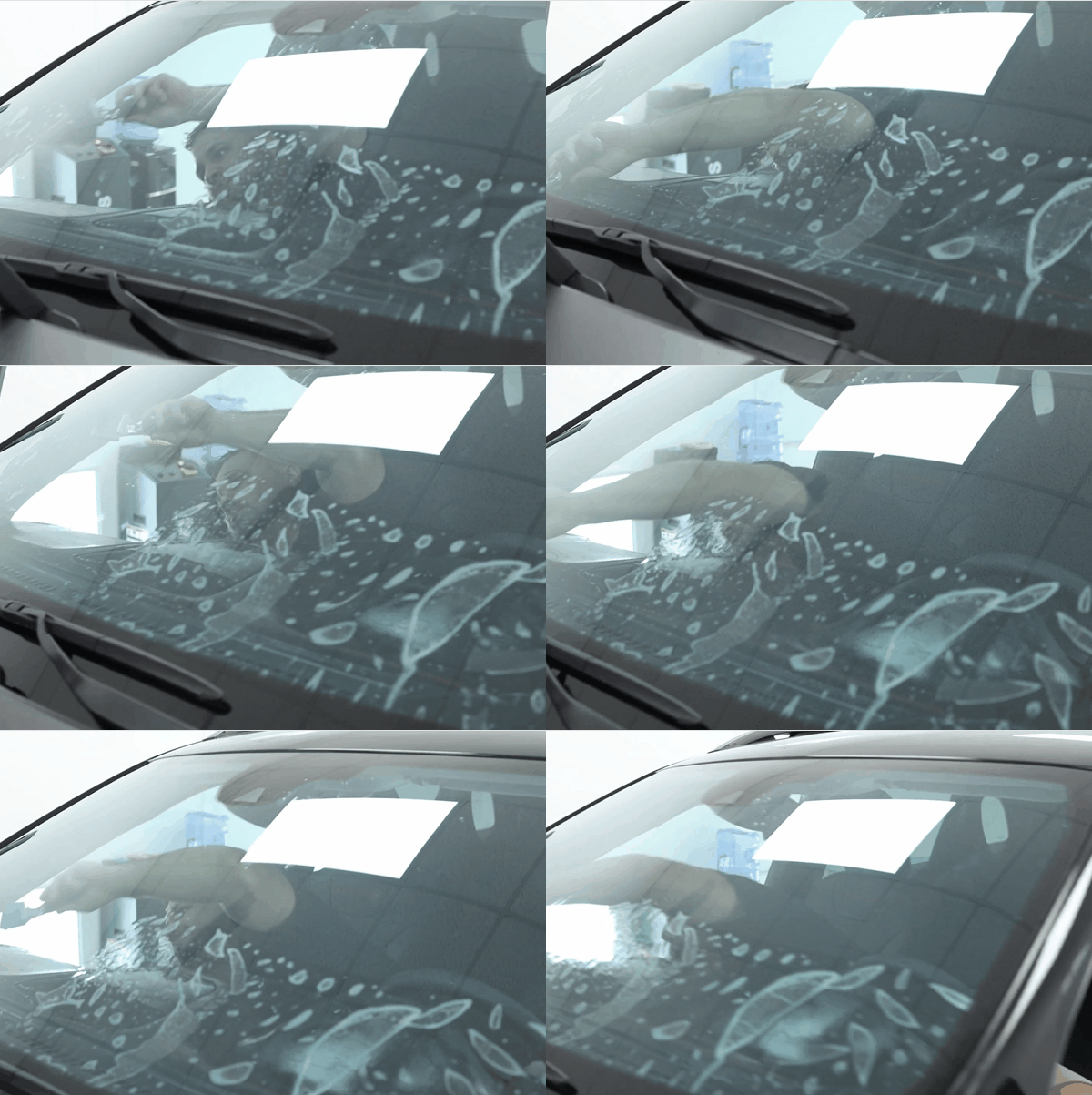
Even the best film will underperform if installed incorrectly.
Professional window tint installation Birmingham services ensure:
- Proper film shrinkage and contouring
- Seamless edges and clean seals
- No bubbling or peeling
- Long-term performance in high heat
Improper installation can reduce infrared rejection efficiency and shorten lifespan.
If you want to understand the performance advantages in more detail, review the window tint installation benefits here:
For Birmingham drivers seeking auto window tinting services, working with trained professionals ensures your tint performs as intended.
At Slick Obsession Auto Detailing, located in a modern 5,000-square-foot facility in Irondale, the team specializes in high-performance installations backed by a 100% satisfaction guarantee.
How Long Does High-Quality Window Tint Last in Birmingham’s Climate?
High-quality ceramic tint can last 10+ years when properly installed.
Factors that affect lifespan include:
- Heat cycling
- UV intensity
- Installation quality
- Film type
Ceramic and carbon films outperform dyed options by a significant margin in long-term durability.
In Birmingham’s extreme conditions, choosing premium film upfront prevents premature replacement costs later.
Choosing the Right Heat-Blocking Window Tint in Birmingham, AL
If you’re searching for the Best Window Tint Type for Birmingham’s Extreme Summer Heat, the evidence is clear: nano-ceramic technology offers the highest level of infrared heat rejection, UV protection, and long-term durability.
For Birmingham drivers who value comfort, interior protection, and professional-grade results, investing in high-performance ceramic film installed by experienced technicians makes the difference between temporary shade and true heat protection.
When done correctly, the right window tint transforms your summer driving experience, keeping your cabin cooler, your interior protected, and your ride looking sharp year-round.
Frequently Asked Questions
What is the best window tint type for Birmingham’s extreme summer heat?
Nano-ceramic film is widely considered the best option due to its high infrared heat rejection, strong UV protection, and superior durability in hot climates.
Why does infrared rejection matter more than the darkness level?
Infrared energy is responsible for most of the heat you feel inside your car. Blocking infrared rays reduces cabin temperature far more effectively than simply making windows darker.
Does a darker window tint always mean better heat protection?
No. A lighter ceramic film can outperform a darker dyed film in total solar energy rejection.
Why do some window tints fade or turn purple in extreme heat?
Lower-quality dyed films break down under prolonged UV exposure and heat cycling, leading to discoloration and reduced performance.
How can the right window tint improve driving comfort and vehicle longevity?
Proper heat-blocking tint reduces interior temperatures, protects materials, improves A/C efficiency, and minimizes glare, all of which enhance comfort and preserve your vehicle’s condition.
