Fall in Birmingham, AL brings a refreshing change, cooler temperatures, vibrant foliage, and unpredictable weather. But for your car’s exterior, this seasonal transition can be more taxing than you think. That’s why understanding how PPF performs in Birmingham during the fall is essential for preserving your vehicle’s finish and protecting car paint from fall weather that mixes debris, rain, and UV exposure.
At Slick Obsession Auto Detailing, we’re passionate about helping local car enthusiasts protect their investments with expert installation of paint protection film (PPF). From daily commuters to exotics, our SunTek PPF applications stand up to Alabama’s shifting climate.
Birmingham’s Fall Climate: What You’re Up Against
Mild Temperatures, Moisture, and Debris, Oh My
Fall in Birmingham brings relief from the summer heat, with temperatures generally ranging between 54°F and 76°F. These milder conditions are gentler on vehicle surfaces and reduce thermal stress on paint protection film (PPF). However, the season also introduces new environmental stressors that can wear down even the best protection if not properly maintained.
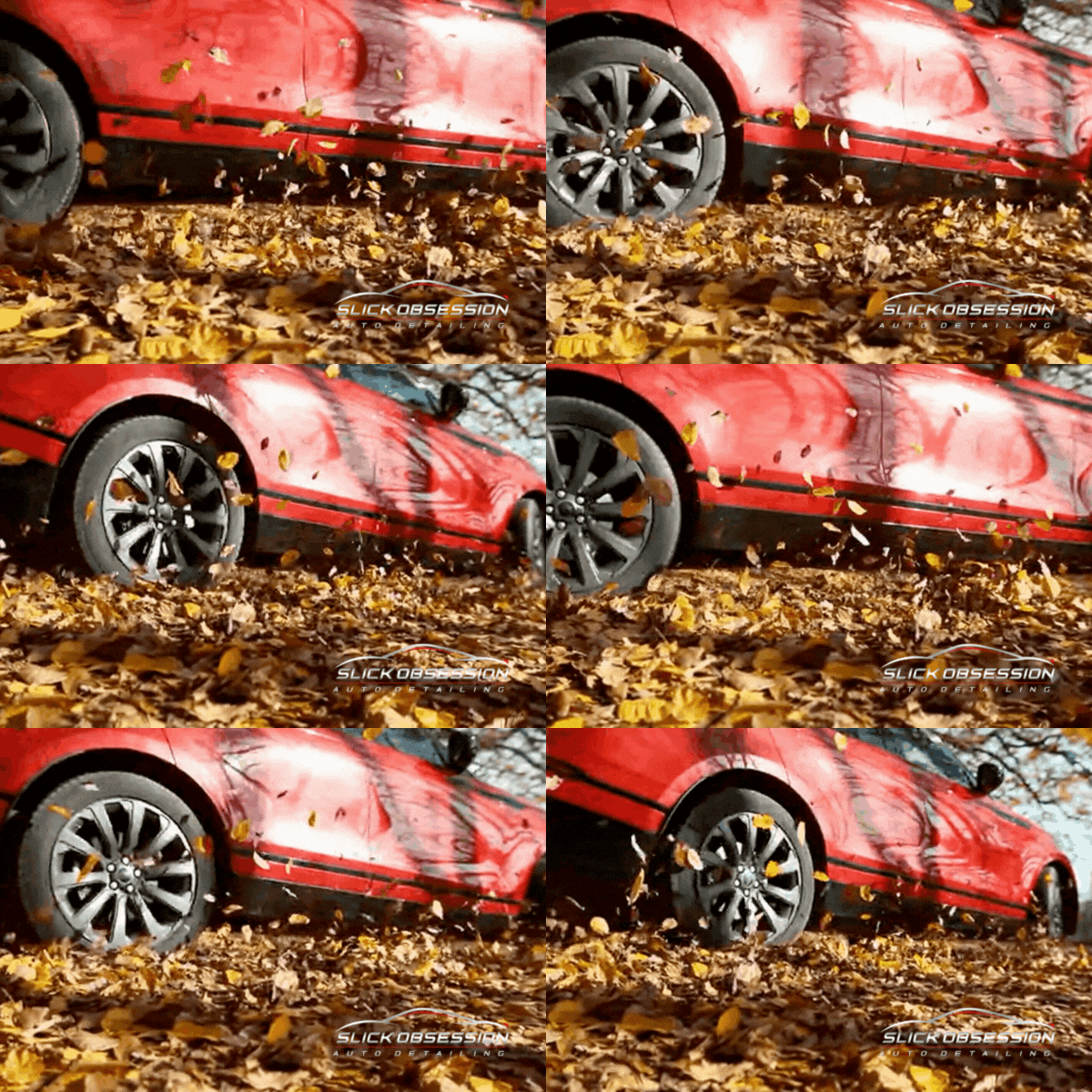
- Increased road debris: As leaves fall and dry branches scatter across roadways, your vehicle is more likely to encounter small, sharp debris that can scratch or chip unprotected surfaces. Wind gusts and passing vehicles can kick up loose gravel and dust, especially in construction-prone areas.
- Contaminants: Autumn is notorious for an influx of organic debris, such as tree sap, pollen, bird droppings, and decaying leaves. These contaminants often contain acids and tannins that can stain or etch into the surface of your paint or film if left untreated.
- Standing water: Birmingham’s fall season often sees sudden, heavy downpours that can lead to puddling or flash flooding. Persistent exposure to standing water can weaken the film’s adhesive over time, increasing the risk of edge lift or bubbling, particularly in lower panel areas.
- UV exposure: While not as intense as in summer, UV rays are still present and can gradually cause paint fading and PPF discoloration. Birmingham’s partly cloudy fall weather might reduce immediate risk, but UV degradation accumulates over time.
In short, while the fall season feels more forgiving, it quietly introduces conditions that challenge your vehicle’s protective layers, making a high-quality, properly installed PPF more important than ever.
The Science Behind PPF Performance in Mild Fall Climates

How PPF Holds Up in Transitional Weather
Paint protection film (PPF) is a multi-layered defense system designed to protect your vehicle’s finish from physical and environmental stressors. Each layer has a distinct purpose:
- Self-healing polymer top layer: Uses heat (from sunlight or warm water) to erase fine scratches and swirl marks.
- Impact absorption layer: Minimizes damage from road debris, such as gravel, twigs, or sand.
- Hydrophobic topcoat: Repels water, dirt, and grime, making cleaning easier and reducing contaminant buildup.
- UV filtering barrier: Blocks harmful ultraviolet rays to prevent paint fading and oxidation.
- High-grade adhesive: Anchors the film tightly to the vehicle, resisting lifting and peeling under stress.
In Birmingham’s mild fall, these engineered layers work harmoniously. Moderate temperatures help maintain film flexibility and adhesion stability, reducing the risk of cracking, shrinkage, or adhesive fatigue compared to harsher climates.
However, persistent moisture from overnight dew, fog, and seasonal rain can remain problematic, especially at poorly wrapped edges or low-quality installations. Water can seep into these weak points, leading to edge lift, bubbling, or even film delamination over time.
To ensure your PPF performs as intended during the season, expert installation and routine inspections are essential, especially in a climate as moisture-prone as Birmingham’s.
Fall-Specific Threats to PPF in Birmingham
1. Leaf Grit and Road Debris
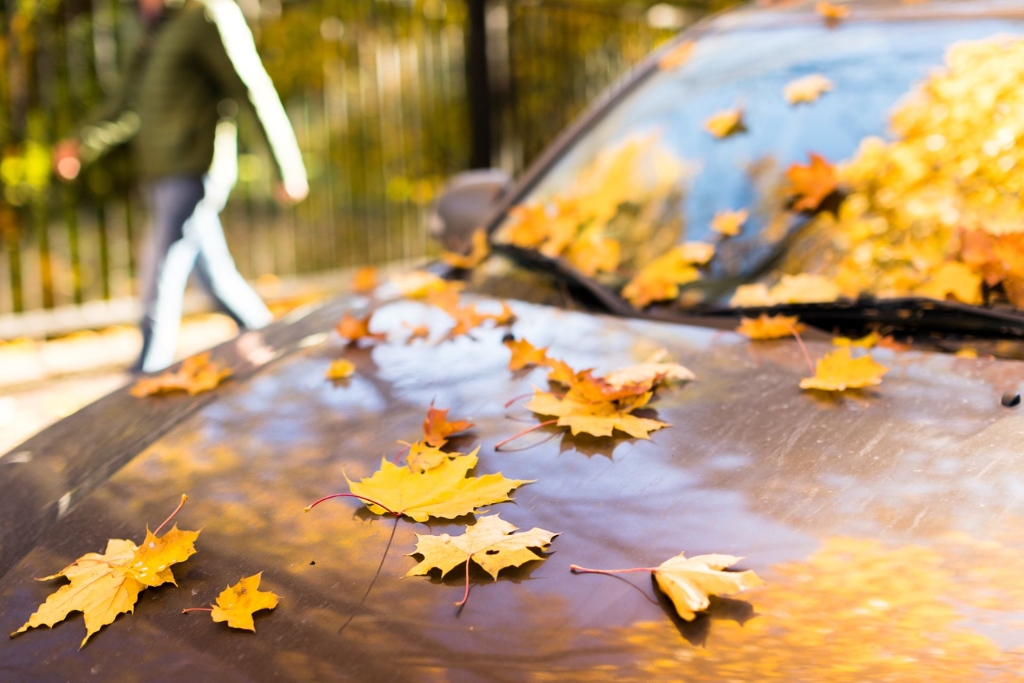
Falling leaves are more than an aesthetic marker of fall; they carry gritty particles and acids that can scratch or stain exposed paint. Fortunately, PPF acts as a sacrificial barrier, absorbing abrasions that would otherwise etch your clear coat.
2. Rainfall and Flooding Risks
Flash floods are increasingly common in the region. While high-quality PPF is water-resistant, long-term exposure to pooled water can stress edges and cause bubbling. Avoid parking in low-lying areas and inspect your film regularly.
3. UV Rays and Fading
Though fall sunlight is less intense, UV radiation still poses a threat. Slick Obsession’s SunTek films provide strong UV stability and optical clarity, maintaining your vehicle’s showroom shine while preventing paint discoloration.
Does PPF Lose Its Self-Healing Power in Cooler Weather?
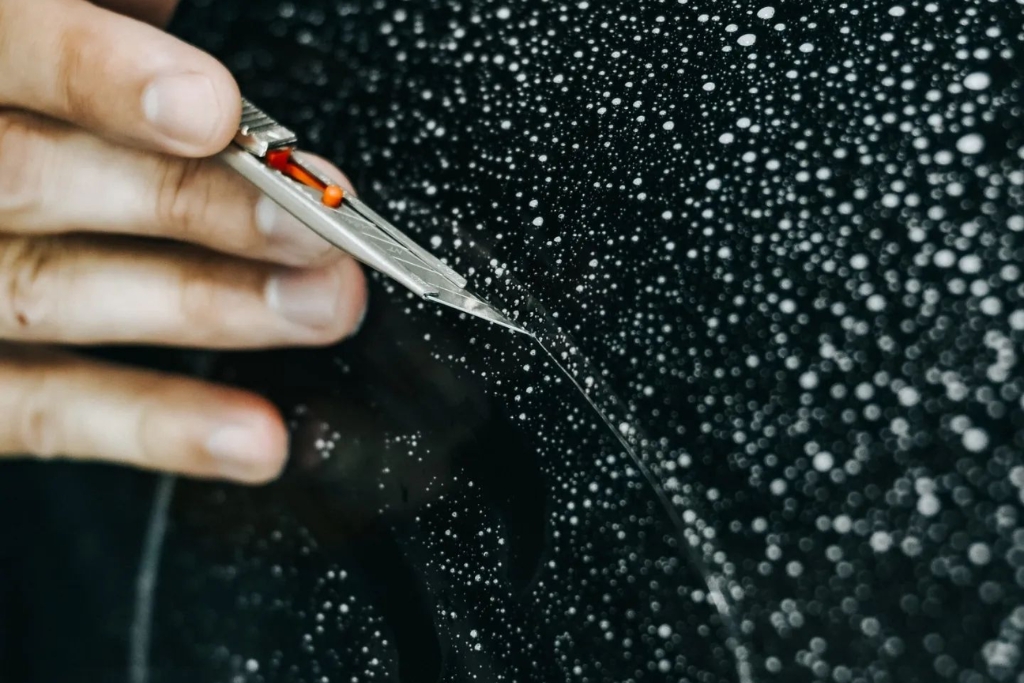
Great question. The self-healing layer in PPF is designed to respond to heat, specifically, temperatures around 80°F or higher, to smooth out fine scratches and swirl marks. In cooler fall conditions, especially when temperatures dip below 60°F, this self-repair process becomes less active and may take longer to occur naturally.
However, the film doesn’t entirely lose this ability. You can still trigger the self-healing effect by:
- Parking in direct sunlight during warmer midday hours
- Gently pouring warm (not hot) water over affected areas
- Using a safe heat gun or hairdryer on a low setting for small scratches
It’s also worth noting that not all PPFs are created equal. Premium films like the ones we install at Slick Obsession are engineered to retain their self-healing properties longer and across a broader temperature range, ensuring your vehicle stays protected and looking fresh even as the seasons change.
Why Installation Quality Is Crucial in Birmingham’s Fall Climate
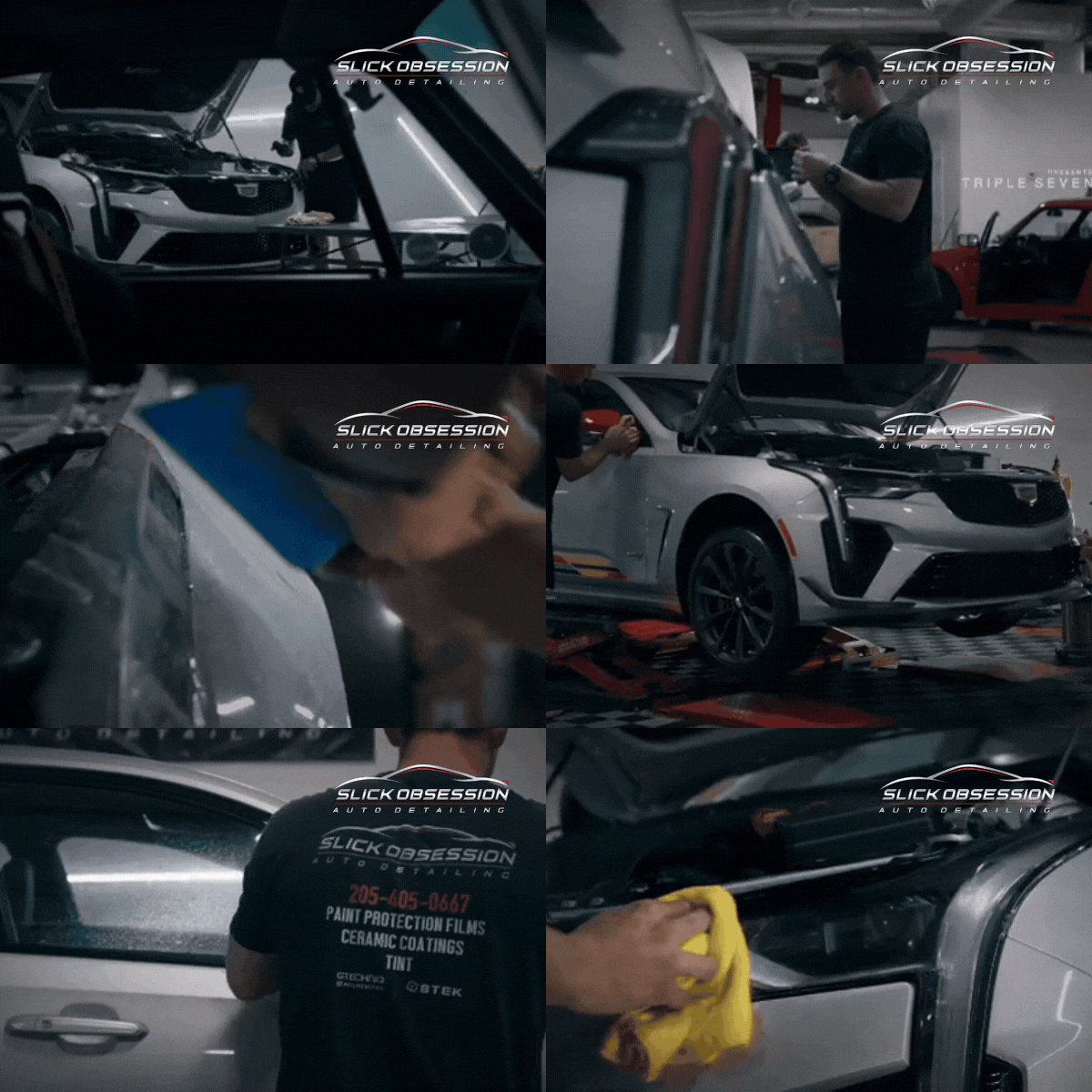
Birmingham’s fall may feel mild, but its fluctuating humidity, morning dew, and occasional heavy rain can pose serious challenges for paint protection film, especially if the installation isn’t flawless. Moisture can infiltrate poorly wrapped or unevenly sealed edges, leading to bubbling, peeling, or premature film failure. That’s why choosing a professional PPF installation matters; precision and proper sealing make all the difference.
At Slick Obsession, we take these regional factors seriously. Our professional installers ensure every application is engineered to outperform Alabama’s transitional climate through:
- Expert edge sealing to block moisture and debris
- Precision alignment for full-panel and edge-to-edge protection
- 2-week follow-up inspections to catch and correct any early lifting or bubbling
We exclusively use non-yellowing, optically clear SunTek PPF, backed by a 10-year manufacturer warranty and our own satisfaction guarantee. Whether it’s a daily driver or a luxury weekend toy, our process ensures your vehicle stays flawlessly protected, season after season.
Explore our custom PPF packages tailored to meet the needs of Birmingham’s drivers.
Tips for Maintaining PPF in Transitional Weather
Caring for your PPF properly during Alabama’s shifting fall weather ensures it performs at its best and lasts for years. Here’s how to keep your film in peak condition:

1. Wash Often, Gently
Fall debris, like leaves, sap, and grit, can stick to your vehicle’s surface and act like sandpaper if left unchecked. Use pH-neutral soap, a two-bucket method, and a soft microfiber mitt to minimize micro-scratches and preserve the film’s hydrophobic topcoat. Avoid automatic car washes with brushes.
2. Inspect for Lifting or Bubbling
Moisture from rain and dew can sneak under unsealed edges. Do quick weekly checks, especially around door handles, wheel wells, and mirrors, for signs of edge lift, haze, or bubbles. Early detection helps you fix small issues before they compromise larger sections of the film.
3. Avoid Prolonged Standing Water
PPF is water-resistant, not waterproof, for extended periods. Avoid parking on streets with poor drainage or in flood-prone areas, especially after heavy fall rains. Constant water exposure can weaken adhesive bonds and lead to delamination.
4. Reapply Ceramic Coating Over PPF
A ceramic coating layered over your PPF enhances gloss, water repellency, and contaminant resistance, making it ideal for fall, when tree sap, road tar, and acidic droppings are common. This combo simplifies washing and extends the life of your protective film.
If your car is fresh off the lot or recently repainted, it’s the perfect time to consider long-term protection. Explore our insights on why PPF is worth it for new cars and how it fits into a smart vehicle care plan.
Don’t wait for seasonal wear to take a toll on your vehicle’s finish. With expert PPF installation and optional ceramic coating from Slick Obsession Auto Detailing, you’ll enjoy peace of mind knowing your car is shielded from fall debris, rain, and UV exposure.
Contact Slick Obsession Detailing Now!Trust Slick Obsession for Fall-Ready Paint Protection
Fall is one of the best seasons to drive in Alabama, but it’s also a time to be vigilant. With expert PPF installation from Slick Obsession Auto Detailing, your vehicle will stay protected from the subtle hazards that sneak up during the transition into cooler months.
Whether you want to guard against seasonal grime or prep your ride for winter, find the best full-car paint protection film installation near you and let us help you protect what drives you.
👉 Request your free quote today and give your car the protection it deserves—professionally installed, locally trusted.
FAQ: People Also Ask
What are the climate risks in Birmingham, Alabama?
Expect humidity, rainfall, and occasional flooding in the fall, plus moderate UV exposure.
How hot does it get in Birmingham during the fall?
Temperatures average between 54°F and 76°F, with occasional spikes.
Can fall debris damage my PPF?
Yes, if not washed off. Grit and acids from leaves can etch into the film over time.
What causes edge lift in PPF?
Poor installation, moisture exposure, and adhesive fatigue in fluctuating weather.
Does PPF still protect against UV in the fall?
Absolutely. Even with reduced sunlight, PPF maintains strong UV filtering.
